

Salt Lick Export Business from India: Complete Guide to Global Market Opportunities
Beetroot Powder Export Business from India: A Complete Guide to Global Market Opportunities – Copy 🧂🐄 The salt lick..
India is known worldwide for its rich handicraft traditions, skilled artisans, regional craftsmanship and diverse handmade products. From beautifully carved wooden décor to handmade textiles, brass articles, pottery, jute products and traditional decorative items, Indian handicrafts have strong potential in international markets.
For entrepreneurs, traders, manufacturers and beginners looking for an export business idea from India, handicraft products can be an interesting category because many products can be sourced from existing artisans and manufacturers instead of setting up your own factory.
The real opportunity, however, is not simply buying a handicraft product and sending it overseas. A successful exporter needs to understand product selection, sourcing, quality control, international pricing, packaging, buyer identification, export documentation, logistics and payment risk.
Here is a practical guide to building a handicraft export business from India. 🚢

A handicraft export business involves sourcing handmade or traditionally crafted products from Indian artisans, manufacturers or craft clusters and selling them to international buyers.
These buyers can include:
🌍 Importers
🏪 Wholesalers
🛍️ Retail stores
🏠 Home décor companies
🎁 Gift companies
🏨 Hotels and resorts
🎨 Interior designers
🛒 E-commerce sellers
🏷️ Private-label brands
The exporter acts as the bridge between Indian craftsmanship and international demand.
You don’t necessarily need to manufacture the products yourself. A merchant exporter can develop a network of reliable suppliers, create an international product catalogue, find overseas buyers and coordinate the complete order and shipping process.
India has an enormous variety of traditional crafts. Different regions specialize in different materials, techniques, designs and products.
This creates an opportunity to build specialized export businesses around particular niches.
For example:
🪵 Wooden décor
🥣 Wooden kitchenware
🧺 Cane baskets
🌿 Bamboo products
👜 Jute bags
🏺 Terracotta products
🎨 Wall décor
🪔 Decorative lamps
🔔 Metal handicrafts
🧵 Handwoven products
🪞 Handmade mirrors
🪑 Handmade furniture
🎁 Corporate gifts
Instead of competing only on price, exporters can differentiate their products through:
✨ Design
✨ Craftsmanship
✨ Customization
✨ Sustainable materials
✨ Packaging
✨ Private labelling
✨ Consistent quality
✨ Storytelling
India has several established woodworking clusters producing decorative and utility products.
Possible export products include:
These products can be targeted toward home décor retailers, gift stores and lifestyle brands.
Natural-material products are widely used for storage, decoration and interior styling.
Examples include:
🧺 Baskets
🪴 Planters
💡 Lampshades
🗑️ Storage bins
🪑 Furniture
🍽️ Serving accessories
Before exporting, check the destination country’s requirements concerning plant-derived materials, pest treatment, packaging and import controls.
Jute is another interesting category for exporters.
Products can include:
Jute products can be positioned around natural materials and sustainable lifestyle trends, provided the product claims are accurate and supported.
Indian pottery and terracotta products can offer strong visual differentiation.
Potential products include:
🏺 Decorative pots
🪔 Diyas
🗿 Sculptures
🌸 Planters
🍶 Decorative vessels
🎨 Wall pieces
Fragile products require careful packaging and testing because international transportation can involve multiple handling points.
Metal handicrafts are another established Indian craft category.
Products can include:
Moradabad is particularly well known for metalware and handicraft production.
Potential markets for Indian handicrafts include:
🇺🇸 United States
🇬🇧 United Kingdom
🇩🇪 Germany
🇫🇷 France
🇳🇱 Netherlands
🇨🇦 Canada
🇦🇺 Australia
🇦🇪 UAE
🇯🇵 Japan
But don’t select a country simply because it appears on a list of “top export markets.”
A better approach is:
Product → Application → Buyer Type → Market → Competition → Price → Regulations
For example, if your product is premium wooden home décor, your buyer research should focus on home décor distributors, furniture retailers, lifestyle stores and interior product companies, rather than generic importers.
The biggest mistake a beginner can make is choosing a supplier only because they offer the lowest price.
Instead, compare at least 3–5 potential suppliers.
Check:
✅ Product quality
✅ Manufacturing capacity
✅ MOQ
✅ Price
✅ Lead time
✅ Raw materials
✅ Finishing quality
✅ Packaging
✅ Customization
✅ Production consistency
✅ Export experience
✅ Certifications where applicable
Ask suppliers for product photographs, specifications, samples and packaging details.
Most importantly, verify whether the supplier can reproduce the same quality and design consistently.
Handmade products can naturally have some variation. But international buyers generally expect agreed specifications to be maintained.
Create a product specification sheet containing:
📏 Dimensions
⚖️ Weight
🧱 Material
🎨 Colour
✨ Finish
📦 Packaging
🏷️ Labelling
🔢 SKU/product code
📋 Quality requirements
For larger orders, establish a pre-shipment inspection process.
A small difference in colour or size might be acceptable for a handmade product, but structural defects, cracks, poor finishing or incorrect specifications can lead to customer complaints.
Never calculate export price by simply adding a profit percentage to the purchase price.
Your calculation should consider the complete supply chain.
Product Cost
= Export Selling Price
The final quotation should also clearly state the applicable Incoterm, currency, payment terms and product specifications.
Packaging is not merely about making the product look attractive.
It must protect the product during:
🚚 Factory transportation
📦 Warehouse handling
🚢 Port operations
✈️ Air transportation, if applicable
🏬 Buyer warehouse handling
For fragile handicrafts, consider:
The packaging method should be selected according to the product, transportation mode and destination requirements.
A handicraft exporter may need documents such as:
📄 Commercial Invoice
📦 Packing List
🚢 Shipping Bill
📜 Bill of Lading / Air Waybill
🌍 Certificate of Origin, where required
🏦 Banking documents
📋 Product-specific certificates or declarations, where applicable
Depending on the product and destination, additional requirements may apply.
For products made from wood, bamboo, plant materials, animal-derived materials, natural fibres or other regulated inputs, destination-country requirements must be checked before accepting an order.
Finding a buyer is one of the most important stages of the export process.
Potential channels include:
🌐 B2B marketplaces
🔎 Search engines
🏢 Trade directories
📧 Direct email outreach
💼 LinkedIn
🎪 International trade fairs
🏬 Retailer websites
📱 Professional social media
🤝 Importer/distributor networks
Don’t send the same generic message to hundreds of companies.
Research each prospect.
Understand:
Then approach them with a relevant product proposal.
A professional handicraft export introduction should communicate:
Who you are → What you supply → Why your product is relevant → Customization capability → MOQ → Packaging → Export capability → Next step
For example:
“We are an India-based supplier of handcrafted wooden home décor products. We work with manufacturing partners across established Indian craft clusters and can offer customized designs, private labelling and export packaging for international buyers.”
Keep the first communication concise.
The objective is to start a conversation—not send an enormous catalogue immediately.
One interesting opportunity is private-label export.
Instead of selling products under your own brand, you can manufacture/source products according to the buyer’s specifications.
For example:
A US home décor company wants a collection of handmade wooden trays.
You can coordinate:
Design → Supplier → Sample → Buyer Approval → Production → Branding → Packaging → Export
This can potentially create stronger long-term B2B relationships than one-time trading.
Your catalogue should not simply contain product photographs.
Include:
📷 High-quality product images
📏 Dimensions
⚖️ Weight
🧱 Material
🎨 Available finishes
📦 Packaging information
🔢 SKU
📋 MOQ
🏷️ Customization options
🚢 Export packaging
📍 Country of origin
For B2B buyers, clear product specifications are extremely important.
Every export business has risks.
The final shipment may not match the approved sample.
Products can be damaged during transportation.
An unknown overseas buyer may delay or fail to pay.
Freight rates and transit conditions can affect profitability.
Certain materials and products may require additional documentation or approvals.
Never copy another company’s protected design, artwork, trademark or proprietary product without authorization.
A supplier may promise capacity that they cannot actually deliver.
Proper verification and written specifications can reduce these risks.
For new buyers, don’t focus only on getting the order.
Focus on getting a secure and commercially sensible order.
Depending on the transaction and risk profile, exporters may consider payment structures such as:
💵 Advance payment
🏦 Letter of Credit
💳 Documentary collections
🔄 Other agreed B2B payment arrangements
The appropriate payment term depends on the buyer, country, order size, relationship and risk assessment.
Never assume that an attractive purchase order automatically means a safe transaction.
Yes.
A beginner can consider the merchant exporter model.
You can:
Your competitive advantage becomes buyer acquisition, sourcing, quality control and export execution.
Instead of saying:
“I export handicrafts.”
Build a more specific positioning.
For example:
Indian Handmade Wooden Décor for International Home Décor Wholesalers
or
Sustainable Jute & Natural-Fibre Products for Global Retailers
or
Customized Indian Metal Décor for Hospitality & Lifestyle Brands
A focused niche makes it easier to build:
📌 Product catalogue
📌 Buyer database
📌 Marketing strategy
📌 Pricing structure
📌 Supplier network
📌 Brand positioning
Once you receive repeat orders, don’t immediately add dozens of unrelated products.
Scale systematically.
Start with 5–10 strong products.
Develop reliable suppliers.
Build repeat buyers.
Add complementary products.
Introduce customization.
Develop private-label partnerships.
Build your own international brand.
This approach can create a more sustainable export operation than chasing random products and one-time orders.
Modern exporters can use digital tools to improve their workflow.
AI can help with:
🔎 Product research
🌍 Market research
📊 Competitor analysis
📝 Catalogue descriptions
📧 Buyer outreach drafts
📋 Product comparison
💡 Keyword research
📑 Export documentation checklists
However, AI-generated information should not replace official verification, especially for customs classifications, destination-country regulations, certifications and legal requirements.
Handicraft export is not simply:
Buy Cheap → Sell Expensive
A professional export business is:
Research → Source → Verify → Sample → Price → Find Buyers → Negotiate → Produce → Inspect → Document → Ship → Repeat
The objective is not just to complete one export shipment.
The objective is to build repeatable international B2B relationships.
Indian handicrafts offer enormous variety, but success comes from choosing the right niche and executing the fundamentals professionally.
If you are a beginner, start small. Select one product category, identify a few reliable suppliers, understand your target market and focus on finding genuine buyers rather than trying to sell everything to everyone.
The product may be handmade—but your export process should be highly professional. 💼🌍
Beetroot Powder Export Business from India: A Complete Guide to Global Market Opportunities – Copy 🧂🐄 The salt lick..
Beetroot Powder Export Business from India: A Complete Guide to Global Market Opportunities 🌍 Introduction: Explore the Beetroot Powder..
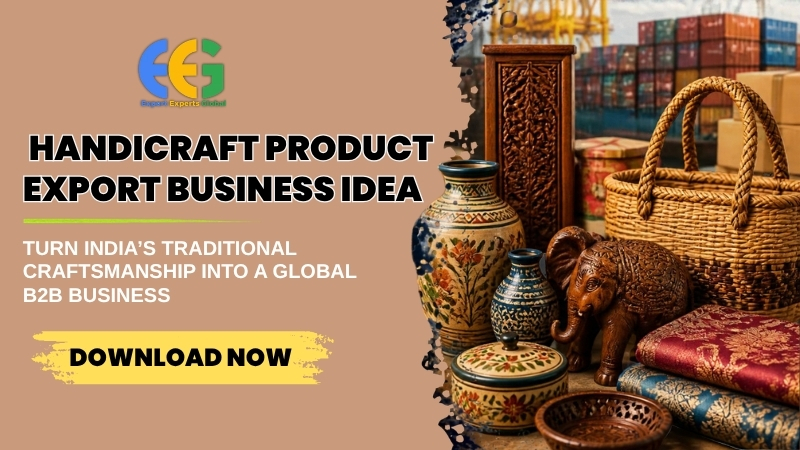
Handicraft Product Export Business: A Complete Guide to Starting an Export Business from India India is known worldwide for..

