🌱 What is Cinnamon? Understanding the Product
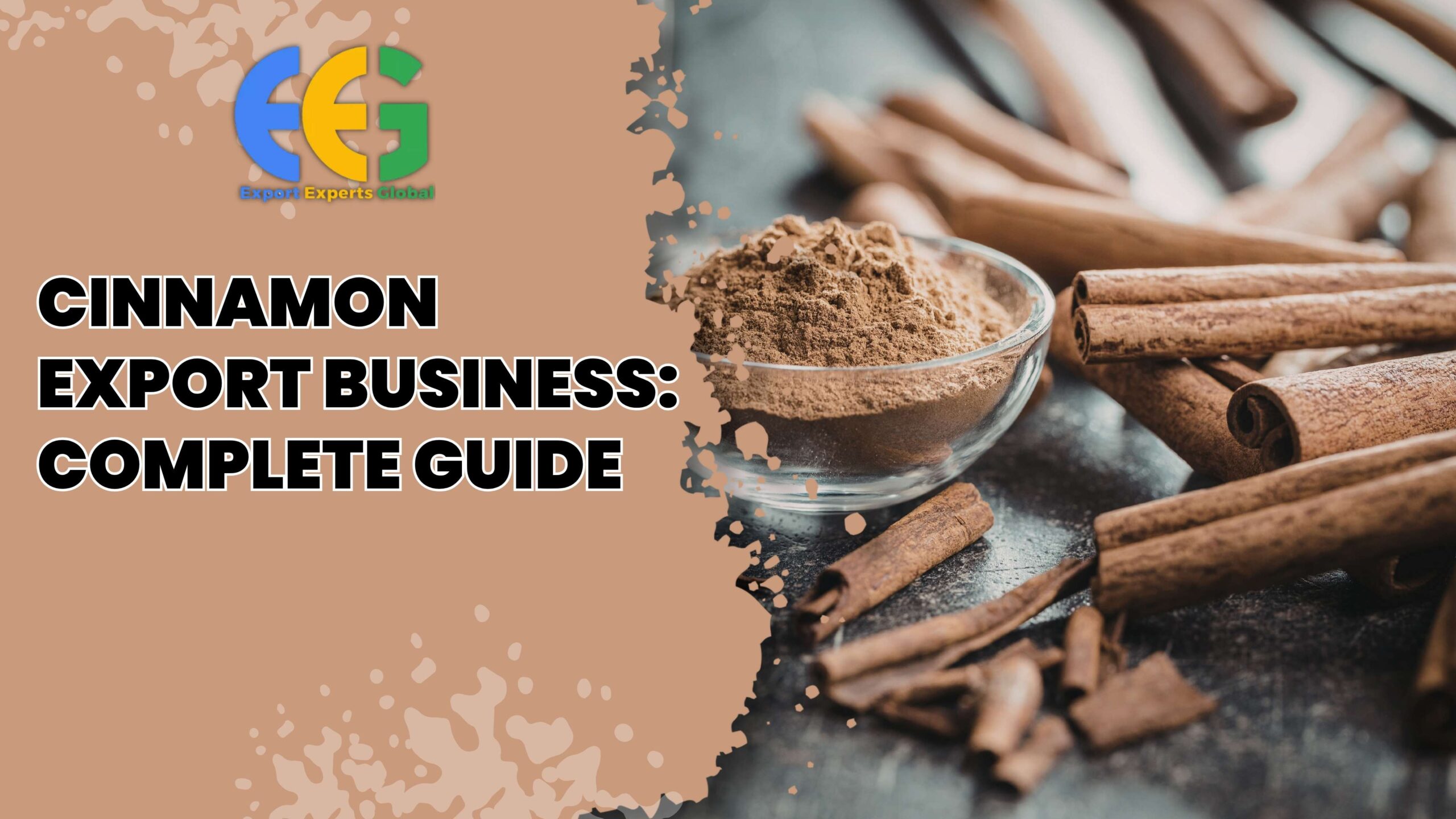
Cinnamon is not just a powder you see in stores. It is actually the inner bark of trees belonging to the Cinnamomum species. Once harvested and dried, this bark curls into rolls known as cinnamon sticks (quills).
There are two main types of cinnamon available in the global market:
👉 Ceylon Cinnamon (True Cinnamon)
• Premium quality
• Light color and delicate flavor
• Higher price in international markets
👉 Cassia Cinnamon
• Strong flavor
• Darker color
• More commonly available and affordable
Understanding these varieties is essential because pricing, demand, and target markets vary significantly.
🌍 Why Cinnamon Has High Global Demand
The demand for cinnamon is growing rapidly due to multiple industries relying on it:
🍵 Food & Beverage Industry
Used in tea, coffee, bakery products, and spices blends
💊 Pharmaceutical Industry
Known for anti-inflammatory and antioxidant properties
💄 Cosmetic Industry
Used in skincare and essential oils
🌿 Health & Wellness Market
Demand increasing due to natural and herbal trends
Countries like the USA, UAE, Germany, and Bangladesh import large quantities of cinnamon every year. This consistent demand makes it a low-risk export product.
🌱 Step-by-Step Cinnamon Production Process
Understanding the production process helps you ensure quality and build trust with international buyers.
🌿 Step 1 – Farming
Cinnamon trees grow well in tropical climates with high humidity. In India, major production happens in:
• Kerala
• Tamil Nadu
The trees take around 2–3 years to mature before harvesting begins.
🔪 Step 2 – Bark Harvesting
• Outer bark is removed carefully
• Inner bark is extracted manually
• Skilled labor ensures minimal damage
This stage determines the final quality of cinnamon.
🌞 Step 3 – Drying Process
Once extracted, the bark is dried naturally under sunlight.
👉 As it dries, it curls into quills (sticks)
This natural rolling process is unique and requires no machinery.
🧹 Step 4 – Grading & Quality Check
Cinnamon is graded based on:
• Thickness
• Color
• Aroma
• Texture
Higher grades fetch premium export prices.
📦 Step 5 – Packaging
Proper packaging is crucial for export success.
Options include:
• Whole sticks
• Powder form
• Vacuum-sealed packs
Good packaging increases shelf life and maintains freshness.
🚢 How to Start a Cinnamon Export Business
Starting an export business may seem complex, but with the right steps, it becomes manageable.
📄 Step 1 – Register Your Business
Choose a business structure:
• Sole proprietorship
• Partnership
• Private limited company
🌍 Top Export Markets to Target
Choosing the right market is critical for success. Some countries pay premium prices for high-quality Indian black pepper.
👉 High-demand countries:
✔️ USA 🇺🇸
✔️ UAE 🇦🇪
✔️ Germany 🇩🇪
✔️ UK 🇬🇧
✔️ Vietnam 🇻🇳
👉 Focus on markets with high consumption and stable demand.
🆔 Step 2 – Get IEC Code
IEC (Import Export Code) is mandatory for international trade.
Issued by DGFT (Directorate General of Foreign Trade)
🏦 Step 3 – Open a Current Bank Account
Used for receiving international payments
📜 Step 4 – Obtain Required Certifications
Depending on your target market:
• FSSAI License
• Phytosanitary Certificate
• Organic Certification (if applicable)
🤝 Step 5 – Find International Buyers
You can connect with buyers through:
• B2B platforms (Alibaba, IndiaMART)
• Trade fairs
• LinkedIn networking
• Export promotion councils
📦 Step 6 – Logistics & Shipping
Choose shipping method:
• Air (fast but expensive)
• Sea (cost-effective for bulk)
Ensure proper documentation:
• Invoice
• Packing List
• Bill of Lading
🌍 Top Countries Importing Cinnamon
Targeting the right market is key to profitability.
🌎 USA – High demand for organic cinnamon
🌏 UAE – Re-export hub
🌍 Germany – Premium spice market
🌏 Bangladesh – Bulk imports
🌍 UK & Europe – Growing health-conscious consumers
Each market has different quality and packaging requirements, so research is essential.
💸 Investment & Profit Potential
💰 Initial Investment
You can start with ₹50,000 to ₹2 lakh depending on scale:
• Raw material sourcing
• Packaging
• Documentation
📈 Profit Margins
Cinnamon export offers 20% to 60% profit margins depending on:
• Quality
• Buyer network
• Volume
Premium-grade cinnamon can generate even higher returns.
📊 Tips to Succeed in Cinnamon Export
✅ Focus on quality consistency
✅ Build long-term buyer relationships
✅ Understand international standards
✅ Use attractive packaging
✅ Stay updated with market trends
Consistency and trust are the backbone of export success.
⚠️ Common Mistakes to Avoid
❌ Ignoring quality standards
❌ Poor packaging
❌ Lack of documentation
❌ Choosing wrong buyers
❌ Not understanding pricing trends
Avoiding these mistakes can save you from major losses.
🚀 Future Scope of Cinnamon Business
The global spice market is expanding rapidly due to:
• Increased demand for organic products
• Growth in herbal medicine
• Rising health awareness
Cinnamon is expected to remain a high-demand commodity for years to come.
Overall Analysis
Cinnamon may look like a small kitchen ingredient, but in the global market, it holds massive potential. With proper sourcing, quality control, and export strategy, you can turn this simple spice into a profitable international business.
Whether you are a beginner or an experienced entrepreneur, cinnamon export offers a scalable opportunity with low entry barriers and high demand.
👉 Start small, learn the process, and gradually expand your business globally.