4 Top Global Sourcing Destinations for Quality Imports
Source smart to balance cost, quality, and reliability:
China: Unbeatable competitive pricing and vast equipment options—perfect for volume imports.
Germany: Premium engineering for high-quality, durable machinery.
Japan: Renowned for longevity and strong resale value in the Indian market.
South Korea: Advanced tech and reliable performance for tech-savvy buyers.
Pro tip: Use HS codes for accurate tariffs when importing from these hubs.
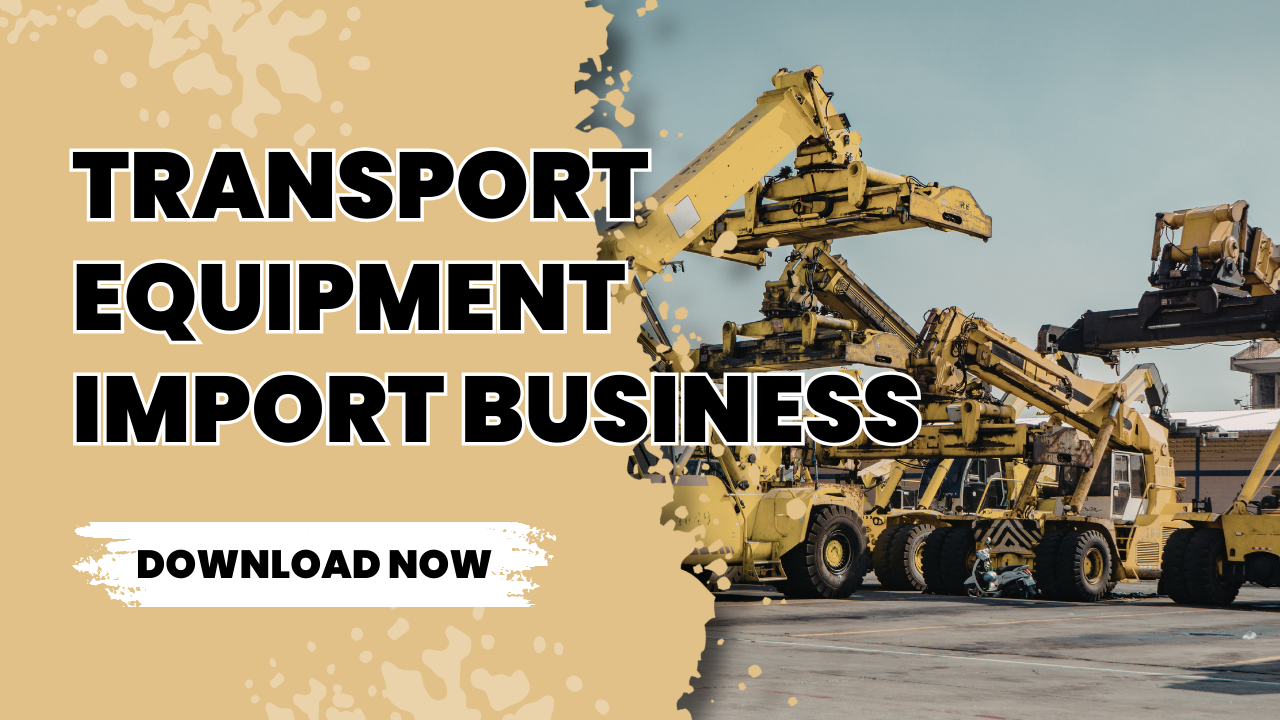
5 Essential Steps to Enter the Transport Equipment Import Market
Launching your import business? Follow this streamlined roadmap:
Obtain Import Export Code (IEC): Register via DGFT portal (costs ₹250–₹500)—mandatory for all international trade.
Master HS Code Classification: Learn codes for transport equipment to streamline customs and avoid delays.
Partner with Freight Experts: Team up with forwarders specializing in heavy machinery for seamless logistics.
Build B2B Network: Connect with transport companies, contractors, and firms for demand insights and advance orders.
Secure Working Capital: Budget based on type—spare parts (₹25K–₹50K), refurbished machinery (₹75K–₹200K), new trucks (₹150K–₹300K+).
4 Risk Mitigation Strategies for New Importers
High rewards come with risks—mitigate them early:
Start Small with Spare Parts: Low capital (₹25K–₹50K), easy logistics, quick turnover, low storage needs.
Secure Advance Orders: Confirm buyer interest pre-shipment for pre-payments and zero inventory risk.
Import Refurbished Equipment: Save 20–30% vs. new, with proven demand and financing ease.
Offer Leasing Options: Appeal to cash-strapped buyers, create recurring revenue, retain ownership.
Revenue Projections: Margins and Returns by Equipment Type
New equipment yields lower % markups but massive absolute profits; spare parts shine for speed.
| Equipment Type | Typical Markup % | Average Unit Price (₹) |
|---|
| Spare Parts | 45% | 15,000 |
| Refurbished Trucks | 30% | 30,000 |
| New Forklifts | 20% | 75,000 |
| Excavators | 15% | 150,000+ |
Spare parts offer the highest margins and fastest ROI—ideal for bootstrapping.
4 Effective Customer Acquisition Channels
Land your first deals through targeted B2B outreach:
Transport Companies: Fleet owners upgrading for e-commerce logistics.
Contractors: Infrastructure and construction pros needing excavators.
Repeat Clients: Build loyalty for bulk, ongoing orders.
Dealer Model: Partner for multi-location scale and expanded reach.
Attend Delhi/Mumbai commercial vehicle shows for instant networking.
3 Pathways to Scale Your Import Business
Grow methodically from niche to powerhouse:
Phase 1: Niche Specialist
Focus on one type (e.g., spare parts) with ₹25K–₹75K capital.
Phase 2: Multi-Category Expansion
Add 2–3 lines, form dealership ties for broader inventory.
Phase 3: Regional Hub
Multi-locations, integrated logistics, ₹500K+ annual turnover.
Key success factors: Trade expertise, B2B networking, equipment valuation (takes ~5 years for dominance). Dual streams—sales + leasing—ensure stability.
Next Steps to Launch Your Transport Equipment Import Venture
Ready to capitalize? Act now:
Register IEC on DGFT portal (₹250–₹500).
Hit commercial vehicle expos in Delhi/Mumbai.
Consult freight forwarders for heavy equipment logistics.
Research 3–5 equipment lines for your 6-month plan.
India’s infrastructure and logistics surge won’t wait—start importing transport equipment today for high-margin B2B success.
What equipment category interests you most, or do you need help with IEC registration details?