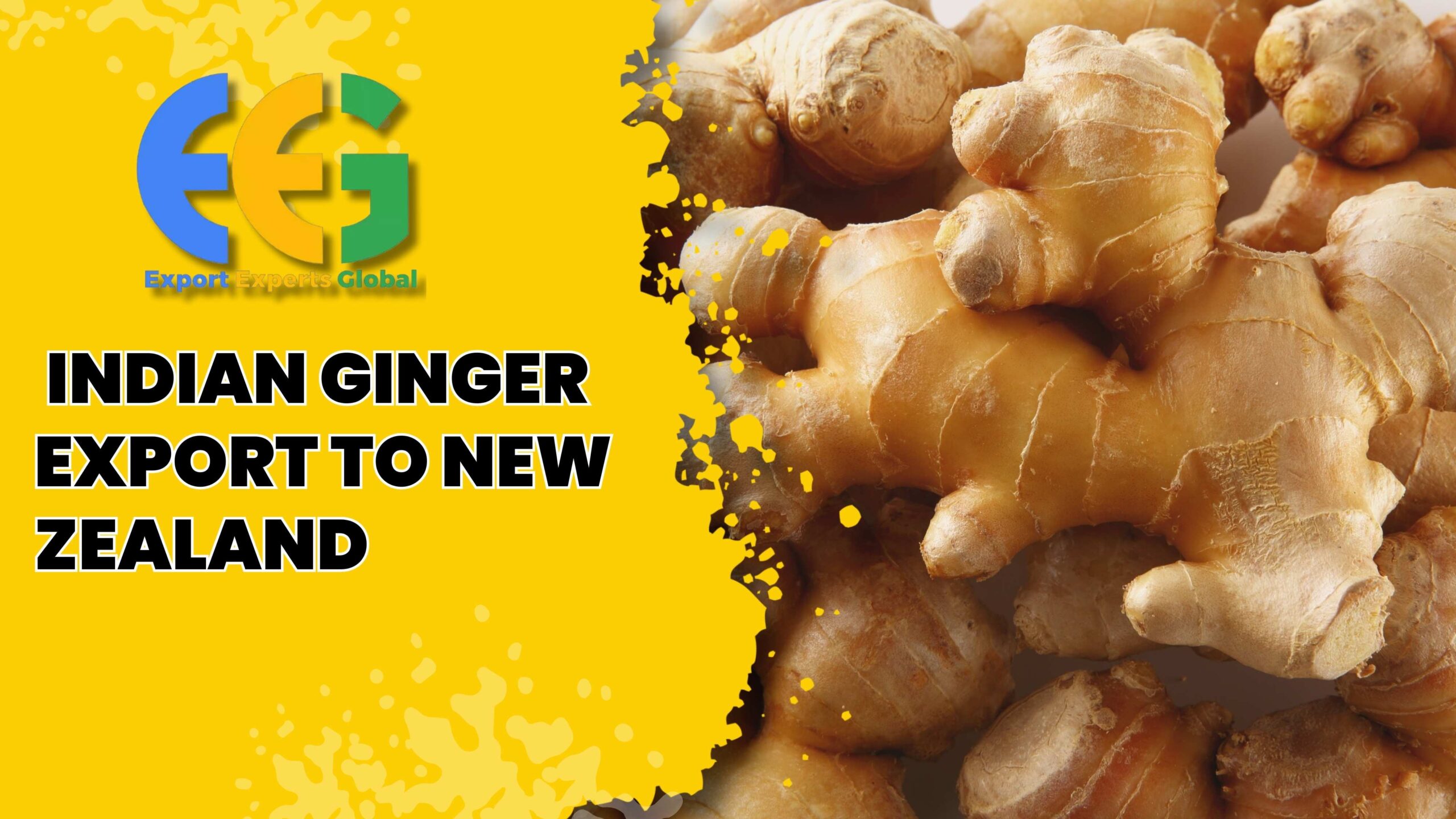
India’s Strength in Ginger Production 🌱
India is among the leading producers of ginger globally. Several states such as Kerala, Meghalaya, Arunachal Pradesh, and Karnataka cultivate large volumes of this valuable spice. Farmers in these regions produce ginger that is rich in essential oils and natural compounds, making it attractive for international buyers.
The climate conditions in India are ideal for ginger cultivation, which results in high yields and consistent quality. Because of these advantages, Indian ginger has developed a strong reputation in the international spice market. Importers from different countries prefer sourcing ginger from India due to its reliability and flavor profile.
For exporters, this reputation provides a competitive advantage in global trade. By maintaining quality standards and efficient supply chains, exporters can build long-term relationships with overseas buyers.
Why New Zealand Imports Ginger 🌏
New Zealand has a strong food industry that depends on high-quality ingredients sourced from different parts of the world. While the country produces some agricultural commodities domestically, it relies on imports for several spices and specialty crops. Ginger is one of those products.
There are several reasons why ginger demand is increasing in New Zealand:
• Growing popularity of international cuisines 🍜
• Rising demand for herbal and natural health products 💊
• Increased use of ginger in beverages, sauces, and processed foods 🥤
• Expansion of organic and wellness markets 🌿
As consumers become more health-conscious, ingredients like ginger are gaining popularity due to their natural medicinal properties. This trend is encouraging importers in New Zealand to look for reliable suppliers from countries like India.
Business Opportunities for Exporters 📦💼
The export of ginger to New Zealand creates exciting opportunities for Indian entrepreneurs interested in the export-import business. Agricultural exports are considered one of the most accessible sectors for new exporters because raw materials are widely available and global demand is consistent.
To succeed in this business, exporters should focus on several important areas:
1️⃣ Quality Sourcing
The first step is sourcing high-quality ginger from reliable farmers or agricultural markets. Consistency in quality helps build trust with international buyers.
2️⃣ Proper Cleaning and Grading
Before export, ginger must be cleaned, sorted, and graded according to size and quality standards. This process ensures the product meets international requirements.
3️⃣ Packaging and Storage
Packaging plays a crucial role in maintaining freshness during transportation. Exporters must use durable packaging materials and maintain proper storage conditions.
4️⃣ Export Documentation
Understanding export procedures is essential. Documents such as invoices, packing lists, certificates of origin, and phytosanitary certificates are required for international shipments.
5️⃣ Logistics and Shipping
Choosing reliable shipping partners helps ensure timely delivery and reduces the risk of product damage. Efficient logistics systems allow exporters to reach international markets smoothly.
By focusing on these key areas, exporters can create a strong foundation for a sustainable ginger export business.
Health Benefits Driving Global Demand 💚
One of the main reasons behind the increasing demand for ginger worldwide is its impressive health benefits. For centuries, ginger has been used in traditional medicine systems across Asia and other regions. Today, modern research also highlights its nutritional value.
Some of the commonly known benefits include:
• Supporting digestion and gut health
• Helping reduce inflammation
• Boosting immunity
• Relieving nausea and cold symptoms
• Providing antioxidants
Because of these benefits, ginger is widely used in herbal teas, dietary supplements, and wellness products. This growing awareness among consumers is driving higher demand for ginger in international markets.
The Modern Revival of the Spice Route 🚢
Historically, spices played a major role in global trade, connecting different civilizations through maritime routes. Today, modern logistics and advanced transportation systems are reviving this tradition in a new form.
The export of Indian ginger to New Zealand symbolizes the continuation of this legacy. Instead of ancient sailing ships, modern container vessels now carry spices across oceans to reach international markets efficiently.
Digital trade platforms, improved shipping infrastructure, and better cold-chain systems are making it easier for exporters to participate in global commerce. This transformation is helping small and medium-sized businesses access international buyers more easily than ever before.
Challenges and Considerations ⚠️
While the ginger export business offers great potential, exporters must also be aware of certain challenges.
• Compliance with international food safety regulations
• Maintaining consistent quality standards
• Managing logistics costs
• Dealing with currency fluctuations
• Building reliable buyer relationships
Addressing these challenges requires careful planning and professional management. Exporters who invest in quality control and efficient operations are more likely to succeed in competitive global markets.
Supporting Farmers and Rural Economies 🌾
Agricultural exports do not only benefit exporters; they also support farmers and rural communities. When international demand increases, farmers receive better prices for their produce.
This encourages higher agricultural productivity and contributes to rural economic development. In many parts of India, ginger cultivation provides livelihood opportunities for thousands of farmers and agricultural workers.
By expanding exports, the entire supply chain—from farmers to logistics providers—can benefit economically.
Future Outlook for Ginger Exports 📈
The global spice market is expected to grow steadily in the coming years. With increasing demand for natural ingredients, organic foods, and herbal products, ginger will likely remain a high-value commodity in international trade.
India is well positioned to take advantage of this trend due to its large agricultural base and long history in spice production. By improving quality standards, investing in better supply chains, and strengthening international trade partnerships, Indian exporters can capture a larger share of the global ginger market.
New Zealand represents just one of many potential markets for Indian ginger. As trade networks expand, exporters can also explore opportunities in Europe, North America, the Middle East, and Southeast Asia.
Overall Analysis
The arrival of Indian ginger in New Zealand demonstrates the growing power of agricultural trade in connecting global markets. It reflects how farmers, exporters, logistics providers, and international buyers work together to move products across continents.
For entrepreneurs interested in the export-import industry, ginger represents a promising opportunity with strong global demand. By focusing on quality sourcing, proper processing, and reliable logistics, exporters can build a profitable and sustainable business.
As international trade continues to evolve, India’s agricultural sector will remain an important contributor to the global food supply. The modern spice route is expanding once again—linking Indian farms to kitchens and industries around the world. 🚢🌏