
Chicory Export Business from India: A Complete Guide for Beginners
Chicory Export Business from India: A Complete Guide for Beginners The global food and beverage industry is constantly looking..


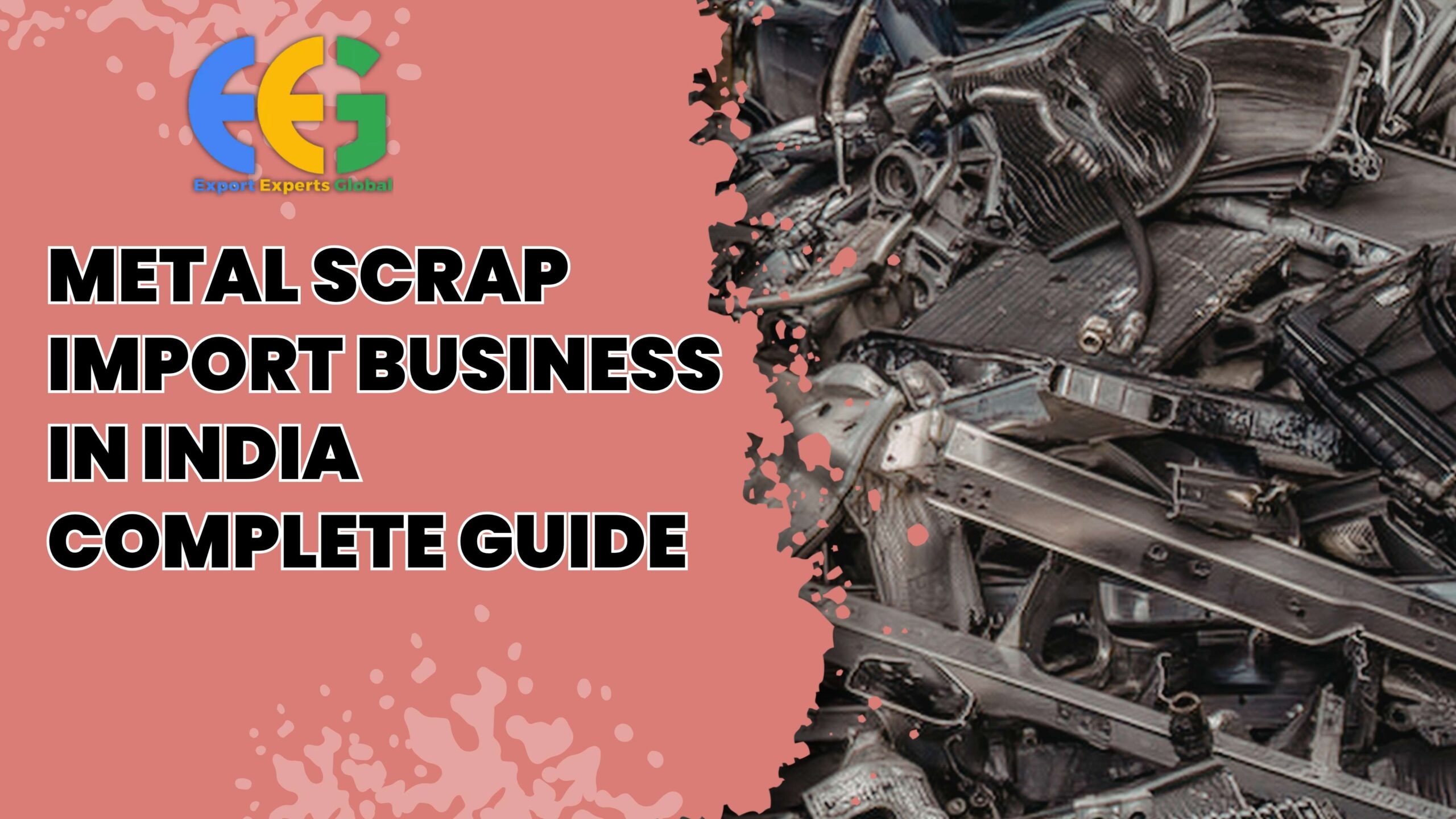
The metal scrap import business is one of the most promising opportunities in today’s global trade ecosystem. With rapid industrial growth and increasing demand for recycled raw materials, countries like India are heavily dependent on imported scrap metals such as iron, steel, aluminum, and copper. This demand creates a strong foundation for entrepreneurs who want to build a profitable import-export business with scalable potential. 
In simple terms, metal scrap import involves sourcing recyclable metals from international markets at competitive prices and supplying them to domestic industries for reuse. This business is not only profitable but also contributes to sustainability by promoting recycling and reducing the need for fresh mining. 
 Why Metal Scrap Import is a High-Growth Business
The demand for scrap metal in India is continuously rising due to expansion in construction, infrastructure, and manufacturing sectors. Steel plants, foundries, and recycling units rely heavily on imported scrap because it is cost-effective compared to producing new metal from raw ore.
 Key reasons for high profitability:
Smart importers analyze international price trends and currency fluctuations to maximize their margins. Timing plays a crucial role in this business, as buying at the right time can significantly increase profits. 
 Types of Metal Scrap You Can Import
Understanding the types of scrap is essential before entering this business. Each category has its own demand, pricing structure, and buyer base.
 Ferrous Scrap
This includes iron and steel scrap, which are widely used in construction and heavy industries. It is high in volume but relatively lower in margin.
 Non-Ferrous Scrap
Non-ferrous metals such as aluminum, copper, brass, and zinc offer higher profit margins. These materials are widely used in electrical, automotive, and packaging industries.
 Among all, copper and aluminum scrap are considered the most profitable due to their strong resale value and consistent demand.
 Legal Requirements & Compliance in India
Starting a metal scrap import business requires compliance with government regulations to ensure safe and legal operations.
You must obtain an Import Export Code (IEC) from the Director General of Foreign Trade, which is mandatory for any international trade activity. Additionally, environmental and safety standards are regulated by the Central Pollution Control Board.
 Important compliance requirements:
Failure to comply with these regulations can lead to penalties, shipment rejection, or legal complications.
Best Countries to Import Metal Scrap FromChoosing the right sourcing country directly impacts your business profitability and quality standards. Some of the top exporters of metal scrap include:
 United States – High-quality and consistent supply
 United Kingdom – Reliable exporters and sorted scrap
 Germany – Premium-grade industrial scrap
Each country has its own advantages in terms of logistics, pricing, and quality. Importers should compare multiple suppliers before finalizing deals.
Finding trustworthy suppliers is one of the most critical aspects of this business. Fraud and quality issues are common risks in international trade, so due diligence is essential.
📌 Ways to find suppliers:
✔ Always verify supplier credentials, request samples, and check past transaction records before placing orders.
Metal scrap is typically transported via sea using container shipping. Efficient logistics management ensures timely delivery and cost control.
Major ports in India such as Nhava Sheva and Mundra handle large volumes of scrap imports. Hiring a Custom House Agent (CHA) can simplify customs clearance and documentation processes.
📦 Shipping essentials:
Proper logistics planning reduces delays and prevents unnecessary costs.
Understanding the cost components is crucial for calculating profitability in the scrap import business.
💸 Major cost factors:
Profit margins depend on market demand, global pricing trends, and negotiation skills. Bulk purchasing often reduces per-unit cost, increasing overall profitability.
Like any business, metal scrap import comes with risks that must be managed strategically.
❌ Common risks:
✔ Risk management strategies:
Taking preventive measures ensures smoother operations and long-term success.
Once you establish a stable foundation, scaling becomes the next step. Growth in this business depends on relationships, consistency, and market understanding.
🚀 Scaling strategies:
Networking with industry players and maintaining quality standards will help you expand your business sustainably.
With increasing environmental awareness and focus on recycling, the demand for scrap metal is expected to grow significantly. Governments and industries are shifting toward sustainable practices, which further boosts the importance of recycled materials.
This makes metal scrap import not just a profitable venture but also a future-ready business aligned with global sustainability goals. 🌿
The metal scrap import business is ideal for entrepreneurs who want to enter international trade with a scalable and high-demand product. While the business requires careful planning, compliance, and supplier management, the rewards can be substantial for those who approach it strategically.
Start small, focus on quality, build strong relationships, and continuously monitor market trends. Over time, you can transform this business into a highly profitable and sustainable venture. 💼
Chicory Export Business from India: A Complete Guide for Beginners The global food and beverage industry is constantly looking..
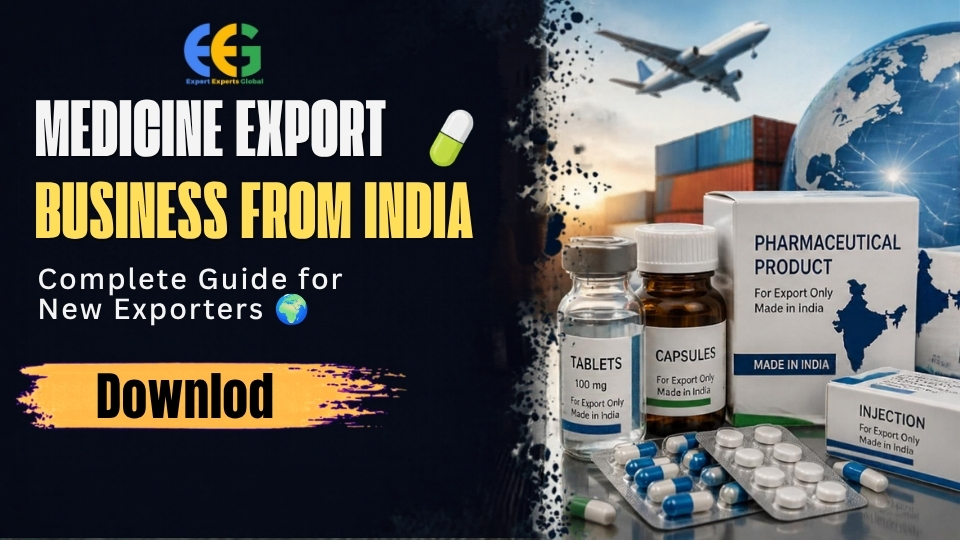
Medical Products with High Export Demand from India: Complete Export Business Guide 🌍 Introduction: Explore the Medical Products Export..
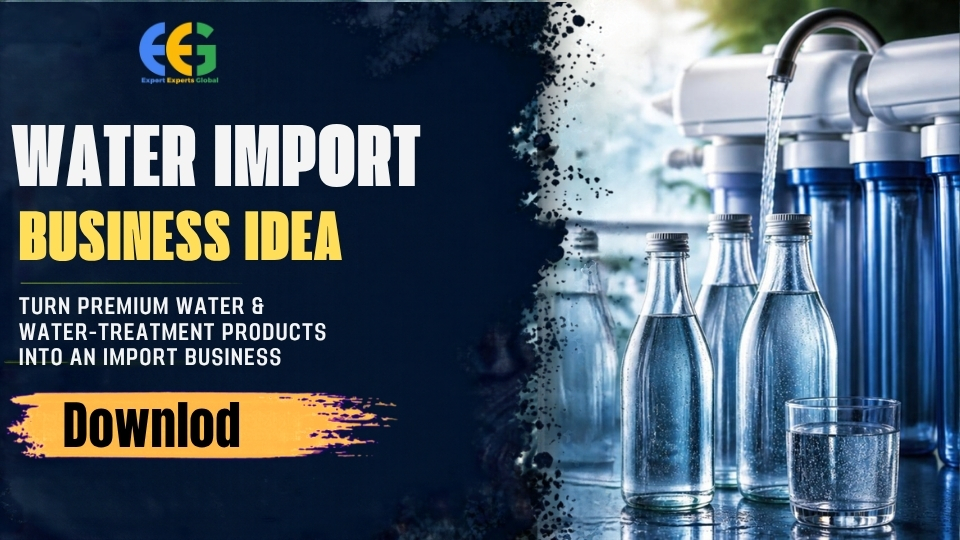
💧 Water Import Business in India: Complete Guide to Products, Global Suppliers, Investment Opportunities & Profit Potential 🌍 Introduction:..

