Why Pulses Export is a Smart Business
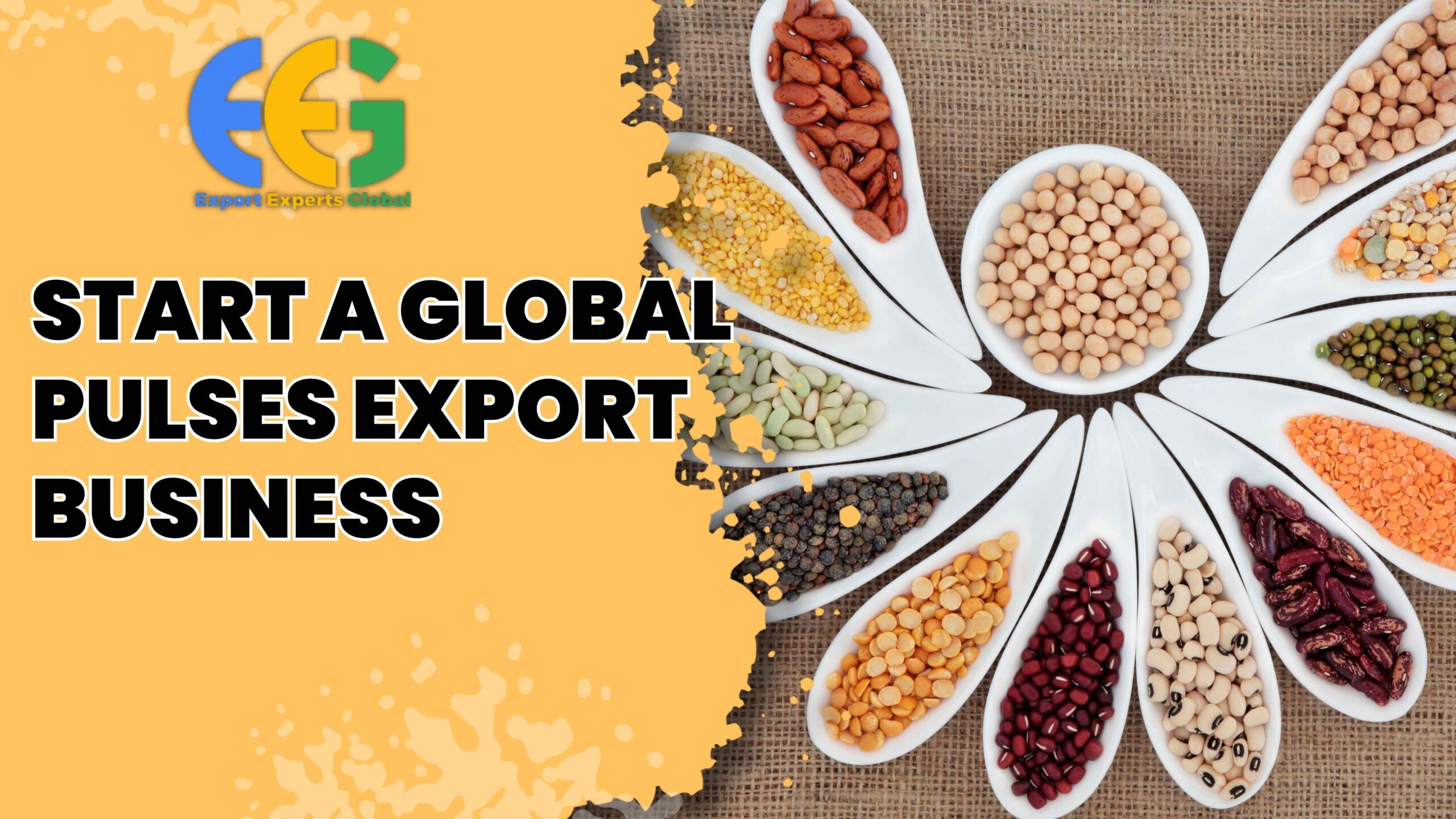
Pulses such as chickpeas, lentils, and beans are widely consumed across continents. Their long shelf life, easy storage, and consistent demand make them ideal for export. Unlike perishable goods, pulses reduce the risk of spoilage during transit, ensuring better profitability.
Countries in the Middle East, Asia, and Africa rely heavily on imports to meet their domestic consumption. Major markets include United Arab Emirates, Saudi Arabia, Bangladesh, Malaysia, and Nepal. These regions import large quantities of Indian pulses due to competitive pricing and trusted quality. 🌎
📊 Types of Pulses in High Demand
To build a successful export business, it is important to focus on high-demand varieties:
🟡 Chickpeas (Chana) – Used globally in snacks and curries
🔴 Red Lentils (Masoor Dal) – Popular in Asian and European cuisines
🟢 Green Gram (Moong Dal) – Known for its health benefits
🟤 Pigeon Pea (Toor Dal) – A staple in Indian and African diets
🟡 Yellow Peas – Widely used in processed foods
Each of these pulses has a dedicated international market, giving exporters multiple opportunities to diversify their product portfolio. 📦
🏭 Sourcing and Processing Strategy
The backbone of a successful pulses export business is strong sourcing. Exporters should build relationships with local farmers, FPOs (Farmer Producer Organizations), and mandis to ensure consistent supply.
Before exporting, pulses must undergo proper processing:
✔ Cleaning to remove impurities
✔ Grading based on size and quality
✔ Sorting for uniformity
✔ Moisture control to prevent spoilage
Investing in modern processing units or partnering with reliable suppliers can significantly improve product quality and export value. 🏭
📑 Legal Requirements and Certifications
To operate legally and efficiently in the export market, certain registrations are mandatory:
✔ Import Export Code (IEC) from Directorate General of Foreign Trade
✔ Registration with Agricultural and Processed Food Products Export Development Authority (APEDA)
✔ FSSAI License for food safety compliance
✔ Phytosanitary Certificate for agricultural exports
These certifications ensure that your products meet international standards and are accepted in foreign markets without complications. 📋
📦 Packaging and Branding
Packaging plays a crucial role in export success. Pulses should be packed in food-grade bags such as PP bags or vacuum-sealed packaging to maintain freshness.
Branding can help exporters earn higher margins. Instead of selling bulk commodities, consider launching your own brand with:
✨ Attractive packaging
✨ Nutritional labeling
✨ Country-specific branding
Value addition through branding allows you to move from low-margin bulk trade to high-margin retail exports. 📈
🌐 Finding International Buyers
One of the biggest challenges in export business is finding reliable buyers. However, with the right strategy, this becomes easier:
🌍 Use B2B platforms like Alibaba and IndiaMART
🤝 Attend international trade fairs and food expos
📧 Email marketing and direct outreach
📱 Social media platforms like LinkedIn for networking
Building trust is key. Always maintain transparency, provide samples, and ensure timely delivery to establish long-term relationships. 🤝
💰 Profit Potential and Growth
The pulses export business offers stable returns due to consistent global demand. Profit margins depend on sourcing cost, processing efficiency, and export pricing.
To maximize profits:
✔ Focus on bulk orders
✔ Reduce logistics costs through efficient planning
✔ Offer value-added products
✔ Build long-term contracts with buyers
Over time, exporters can scale their business by expanding into multiple countries and introducing new product categories. 🚀
⚠️ Challenges to Consider
Like any business, pulses export comes with its own challenges:
⚠️ Price fluctuations in agricultural markets
⚠️ Strict quality standards in importing countries
⚠️ Logistics and shipping delays
⚠️ Competition from other exporting nations
However, with proper planning, quality control, and market research, these challenges can be effectively managed. 📊
🌱 Future Scope of Pulses Export
The future of pulses export looks highly promising. With increasing awareness about sustainable diets and plant-based nutrition, global demand is expected to rise further. Governments are also supporting agricultural exports through various schemes and incentives.
Exporters who focus on innovation, branding, and quality will have a significant advantage in capturing international markets. 🌍✨
Overall Analysis
The pulses export business is not just about trading commodities; it is about building a global brand in the food industry. By focusing on quality sourcing, proper processing, and strong buyer relationships, entrepreneurs can create a sustainable and profitable export venture.
Start small, learn the market dynamics, and gradually scale your operations. With dedication and the right strategy, pulses export can become a long-term success story in international trade. 📦🚀