⚡ Energy & Petroleum Products
Türkiye imports refined petroleum products and energy-related goods from India to support its industrial and transportation sectors. These products are essential for daily operations across industries, making them a high-demand category.
💡 For exporters, this sector offers large-volume shipments and long-term contracts. However, it requires strong logistics, compliance with international standards, and reliable supply chains.
⚙️ Machinery & Industrial Equipment
Machinery is one of the largest import categories for Türkiye. Products such as boilers, engines, and mechanical equipment are widely used in factories and production units.
🏭 Türkiye’s manufacturing sector depends heavily on imported machinery to maintain efficiency and output quality. Indian exporters with expertise in engineering goods can tap into this segment for high-value deals.
✔️ Focus on certifications and product quality
✔️ Build relationships with industrial buyers
✔️ Offer after-sales support for better retention
🚗 Automotive & Auto Components
Türkiye has a well-developed automotive industry, which creates strong demand for auto parts and components. Indian exporters supply spare parts, engine components, and accessories.
🚘 This sector is highly competitive but offers consistent demand due to maintenance, repair, and production needs.
💡 Exporters can benefit by targeting niche products, maintaining quality standards, and offering competitive pricing.
🔌 Electrical & Electronic Equipment
Electrical machinery and electronic equipment are crucial for Türkiye’s infrastructure and industrial development. Products like cables, transformers, and telecom equipment are commonly imported.
⚡ With ongoing modernization and infrastructure projects, demand in this segment continues to grow.
📈 Exporters should focus on innovation, durability, and compliance with international safety standards.
🧪 Chemicals & Pharmaceuticals
India is known globally for its chemical and pharmaceutical industries. Türkiye imports organic chemicals, specialty chemicals, and raw materials used in pharma and textiles.
💊 This sector offers steady demand and repeat business opportunities. Exporters can build long-term relationships by ensuring product consistency and timely delivery.
✔️ Maintain quality certifications
✔️ Understand regulatory requirements
✔️ Focus on bulk supply contracts
🏗️ Metals & Industrial Raw Materials
Metals like iron, steel, and aluminum are essential for construction and manufacturing in Türkiye. These materials are imported in large quantities to support infrastructure projects.
🏢 With urban development and industrial growth, the demand for metals remains strong.
💡 Indian exporters can secure long-term contracts by offering competitive pricing and reliable supply.
🧴 Plastics & Polymers
Plastic raw materials and polymer products are widely used in packaging, manufacturing, and consumer goods industries.
📦 Türkiye imports these materials to support its production processes. This sector offers diverse opportunities for exporters dealing in raw materials and finished plastic goods.
🧵 Textiles, Fibers & Dyes
Türkiye has a strong textile and garment industry, which relies on imported fibers, dyes, and raw materials from India.
👗 Indian exporters supply cotton, synthetic fibers, and textile chemicals that are used in garment production.
💡 This is a high-repeat business segment where exporters can build long-term partnerships with manufacturers.
💎 Gems & Precious Materials
India is a global hub for gemstones and precious materials. Türkiye imports these for its jewellery and luxury markets.
✨ Although this is a niche segment, it offers high margins and premium business opportunities.
📊 Trade Insights & Market Dynamics
Türkiye’s imports from India are largely focused on supporting its industrial ecosystem. This makes it a B2B-driven market where bulk orders and long-term contracts dominate.
📈 Key characteristics of this market:
✔️ High demand for industrial goods
✔️ Focus on quality and reliability
✔️ Preference for long-term suppliers
✔️ Competitive pricing environment
🚀 How to Start Exporting to Türkiye
📌 Step 1 – Market Research
Understand which products are in demand and identify potential buyers. Study market trends, pricing, and competition.
📌 Step 2 – Product Selection
Choose products that have consistent demand and align with your business capabilities.
📌 Step 3 – Documentation
Ensure all export documents are ready, including invoices, certificates, and compliance requirements.
📌 Step 4 – Find Buyers
Connect with importers through B2B platforms, trade fairs, and networking.
📌 Step 5 – Logistics & Shipping
Plan efficient shipping methods and ensure timely delivery to build trust.
💡 Success Tips
✔️ Focus on B2B products rather than retail goods
✔️ Maintain consistent product quality
✔️ Offer competitive pricing
✔️ Build long-term relationships with buyers
✔️ Stay updated with international trade policies
Overall Analysis
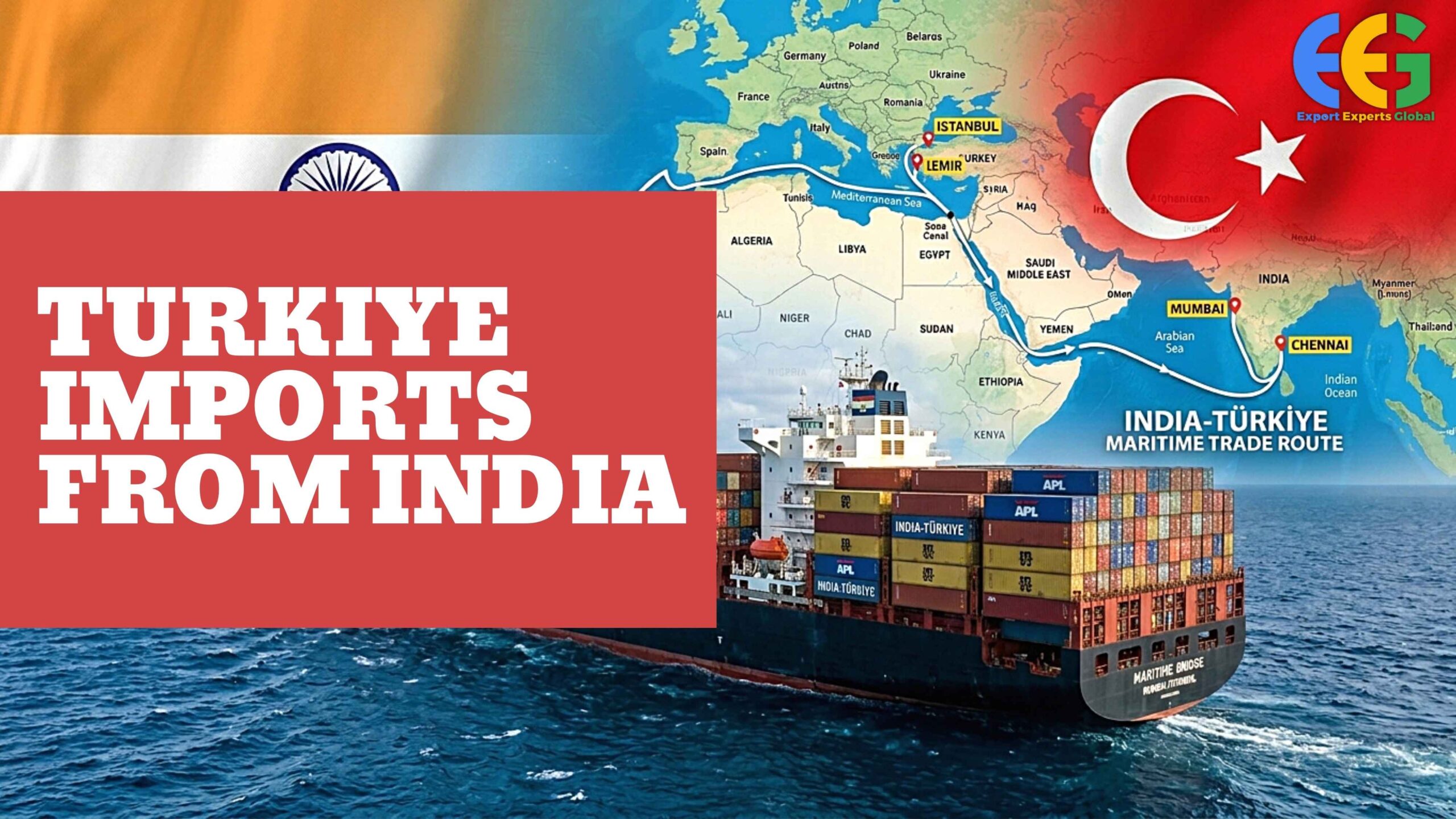
Türkiye offers immense opportunities for Indian exporters willing to invest in quality, consistency, and long-term partnerships. By focusing on industrial goods and understanding market dynamics, businesses can achieve sustainable growth and global expansion.
📦 Start your export journey today, explore new markets, and build a strong international presence.