♻️ Waste to Wealth: The Big Opportunity
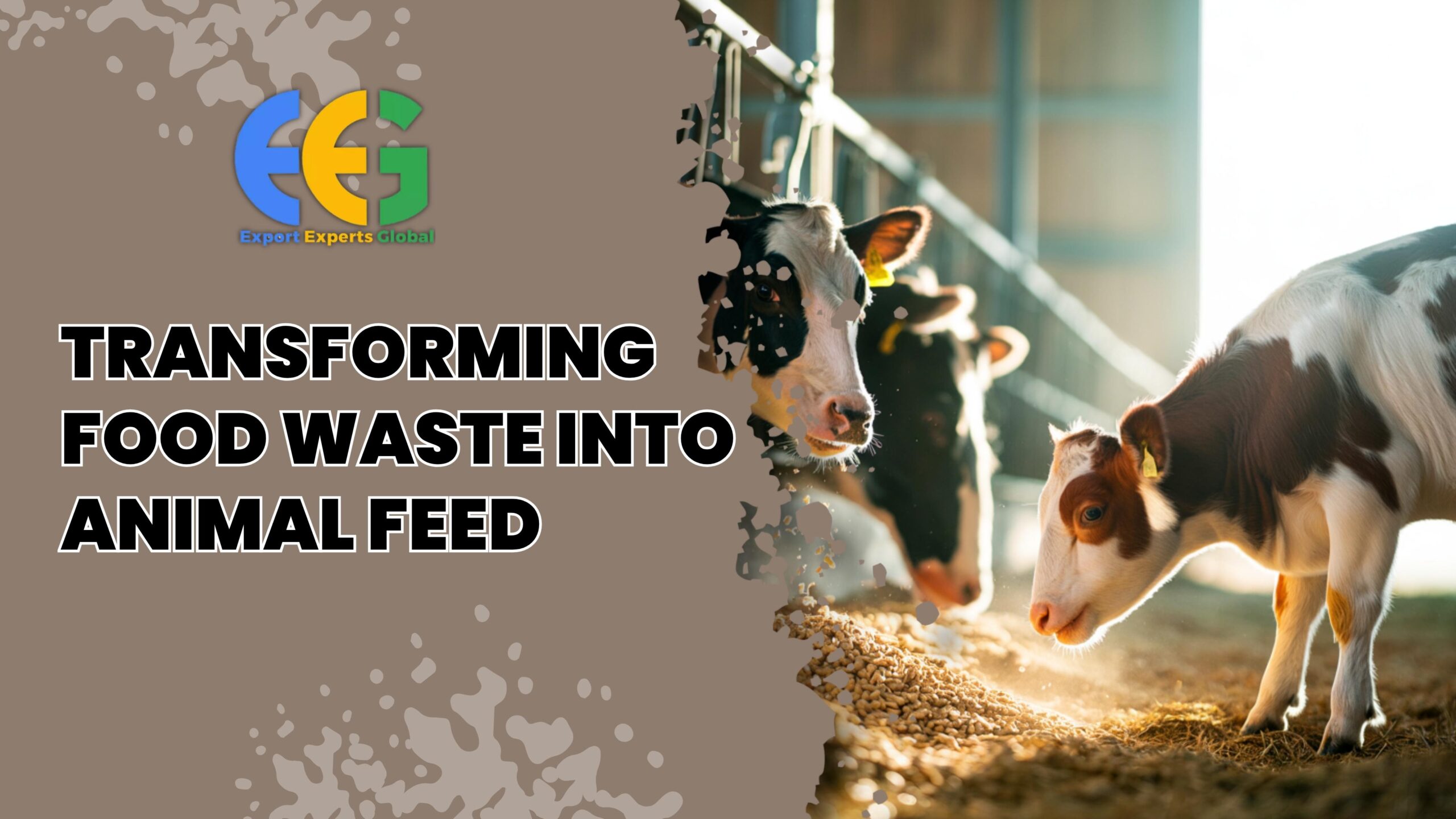
Every day, tons of bakery products like bread, cookies, and biscuits go unsold and expire in supermarkets, bakeries, and food factories. Instead of dumping them in landfills, China has built a system that converts this waste into valuable livestock feed.
👉 This model solves three major problems:
✔️ Reduces food waste
✔️ Creates a low-cost feed alternative
✔️ Generates high-profit business opportunities
India produces a huge amount of similar waste, making it a perfect market to replicate this model.
🏭 Step-by-Step Process of Converting Bakery Waste into Animal Feed
1️⃣ Collection & Sorting 📦
The first stage is sourcing raw materials.
Expired bread, biscuits, cakes, and other bakery leftovers are collected from:
- Supermarkets 🏬
- Local bakeries 🍞
- Food manufacturing units 🏭
🔍 After collection:
- Plastic wrappers are removed
- Contaminants are filtered out
- Only clean, organic waste is retained
👉 This step is critical to maintain feed quality and safety.
2️⃣ Drying Process 🌞🔥
Bakery waste contains moisture, which can cause fungal growth and spoilage.
✔️ Industrial dryers are used to reduce moisture content below 10%
✔️ Ensures longer shelf life
✔️ Prevents bacterial contamination
💡 Drying is one of the most important stages because poor drying can ruin the entire batch.
3️⃣ Grinding & Crushing ⚙️
Once dried, the material is processed further.
✔️ Heavy-duty grinding machines convert waste into fine powder
✔️ Improves digestibility for animals
✔️ Creates uniform consistency
👉 This powder becomes the base ingredient for animal feed.
4️⃣ Blending & Fortification 🧪
The powdered material alone is not nutritionally complete.
So manufacturers add:
- Vitamins 🥕
- Minerals 🧂
- Protein supplements 🐄
- Enzymes
✔️ This ensures balanced nutrition for:
💡 This step increases the market value of the final product.
5️⃣ Pellet Formation 🔄
The mixture is then converted into pellets.
✔️ Pellet machines compress feed into uniform shapes
✔️ Easy to store and transport
✔️ Improves feeding efficiency
👉 Pellets are preferred globally because they reduce wastage and enhance animal consumption.
6️⃣ Packaging & Storage 📦
Final product handling is crucial for export quality.
✔️ Packed in moisture-proof bags
✔️ Stored in hygienic warehouses
✔️ Protected from humidity and pests
💡 Good packaging = better shelf life + export readiness.
🌍 How to Start This Business in India
India has all the ingredients needed to build this business successfully—cheap raw materials, labor, and strong export demand.
📝 1. Business Registration
To start exporting, you need:
✔️ Import Export Code (IEC) from DGFT
✔️ GST Registration
✔️ MSME Registration (optional but beneficial)
👉 IEC is mandatory for international trade.
🧾 2. Compliance & Certifications
Animal feed production requires regulatory approvals.
✔️ FSSAI Registration
✔️ BIS Standards (if applicable)
✔️ Feed safety compliance
💡 Quality certification builds trust with international buyers.
🔗 3. Raw Material Sourcing
Build strong supplier networks.
✔️ Partner with bakeries and food chains
✔️ Tie up with supermarkets
✔️ Collect bulk expired stock regularly
👉 Consistent supply ensures uninterrupted production.
🏭 4. Setup Manufacturing Unit
You don’t need a huge factory initially.
Basic setup includes:
- Dryer machine
- Grinder
- Mixer
- Pellet machine
💡 Start small and scale gradually.
🌎 5. Target Export Markets
High-demand countries include:
✔️ Vietnam 🇻🇳
✔️ Bangladesh 🇧🇩
✔️ UAE 🇦🇪
✔️ African nations 🌍
👉 These regions have growing livestock industries and demand affordable feed.
📑 6. Export Documentation
Essential documents include:
✔️ Commercial Invoice
✔️ Packing List
✔️ Certificate of Origin
✔️ Phytosanitary Certificate
💡 Proper documentation avoids customs delays.
🚢 7. Logistics & Shipping
Efficient logistics = higher profits.
✔️ Use bulk container shipping
✔️ Work with freight forwarders
✔️ Optimize packaging for transport
👉 Lower shipping cost = better margins.
💡 Why This Business is Profitable
💰 Low Investment
You don’t need heavy manufacturing infrastructure.
🔄 Continuous Raw Material Supply
Bakery waste is generated daily.
📈 High Demand
Livestock industry is growing globally.
🌱 Eco-Friendly Model
Sustainable businesses attract investors and buyers.
📊 Profit Potential
👉 Raw material cost = almost zero
👉 Processing cost = moderate
👉 Selling price = high
💡 This creates a strong profit margin, especially in exports.
⚠️ Challenges to Consider
✔️ Maintaining hygiene standards
✔️ Consistent supply chain
✔️ Export regulations
✔️ Market competition
👉 These challenges can be managed with proper planning.
🚀 Scaling the Business
Once established, you can expand by:
✔️ Increasing production capacity
✔️ Exporting to more countries
✔️ Creating your own brand
✔️ Adding different feed varieties
💡 Branding can significantly increase profit margins.
🧠 Pro Tips for Success
✔️ Focus on quality, not just quantity
✔️ Build long-term supplier relationships
✔️ Understand international feed standards
✔️ Invest in good packaging
✔️ Use digital marketing for export leads
Overall Analysis
The idea of converting expired bread and biscuits into animal feed is not just innovative—it’s a powerful example of smart entrepreneurship. What China has already proven can be replicated in India with even greater potential.
With minimal investment, abundant raw materials, and strong global demand, this waste-to-wealth business model offers a scalable and sustainable opportunity. If executed correctly, it can generate consistent income while contributing to environmental sustainability.
👉 If you’re looking for a practical, export-oriented business, this is one of the most promising opportunities today.